So here we are in December, and perhaps one of the many tasks on your To Do list is writing and posting Christmas cards. Or is it? Each year it seems that more and more of us are no longer sending traditional Christmas cards, choosing instead to send a variety of online greetings, perhaps with the intention of donating to charity the money saved on paper Christmas cards.
This should come as no surprise, as almost everything is now done online instead of by its previous method, whatever that was. Take marketing for example. As well as regular email, digital and social media marketing, more occasional longer form content such as white papers, case studies, infographics and e-books are able to be shared quickly and easily online.
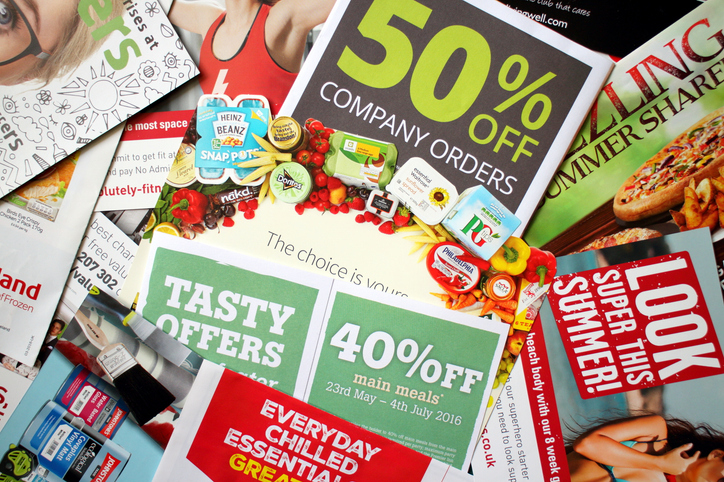
So is there still any place for physical paper marketing such as posters, flyers and brochures? Is it worth paying for printed ads in newspapers and magazines? And are customers likely to respond to direct mail such as cards, newsletters and catalogues; or put them straight in the bin?
In this article we explore whether paper marketing still has a place in 2026 and, if so, how can your business incorporate paper marketing into your overall marketing strategy.
Do any UK businesses still use paper marketing effectively?
The short answer is yes. Whilst overall print advertising volume in newspapers and magazines has continued to decline during 2025, paper marketing such as direct mail and door to door leafleting has increased in 2025 in terms of both volume and advertising spend. This is particularly the case in certain sectors such as retail, health and wellbeing, and financial services.
The strategic use of paper marketing also appeals to different generations. Baby Boomers and Generation X tend to consider direct mail more trustworthy than digital marketing and appreciate the clearer messaging about loyalty programs and special offers, including coupons and QR codes. Millennials enjoy the storytelling, design and interactive elements and can be very responsive to direct mail : around 92% potentially making purchase decisions as a result. Generation Z can view paper mail as a more authentic alternative to digital overload, and also value brands that are creative in the way they promote their products.
So paper marketing does still have a place in 2026. Let’s take a further look at some of the generic things that consumers like about it.
Five reasons why consumers like paper marketing
According to Royal Mail Marketreach, direct mail has an average open rate of 60%. Research has also found that direct mail campaigns can often achieve significantly higher response rates : around 4.4% vs typical email marketing return rates of around 0.12%.
As well as the generational preferences we looked at above, there are various generic reasons why consumers still like paper marketing. Five of these are:
-
It breaks through the digital noise
Many UK consumers have what many describe as digital fatigue. 73% report feeling overwhelmed by both the volume and relentlessness of online advertising. Paper marketing can potentially break through this digital noise and regain their attention.
-
It is perceived as being trustworthy
Various different studies indicate that between 71% and 82% of consumers feel that paper marketing is more trustworthy than digital ads, providing a more authentic brand experience in a digitally overloaded world.
-
Recipients enjoy having something physical to hold
Many consumers appreciate having something tangible to hold and to be able to read at their leisure, particularly if there is important information to digest. Perhaps because of this, physical mail usually has a longer period of engagement, staying in homes for an average of 4.4 weeks.
-
Direct mail can be personalised
Around 70% of consumers feel that they value printed mail more than digital marketing, particularly when it is personalised. The combination of digital personalisation capability and variable data printing now enables paper mailing to be highly targeted and personalised to the recipient, which can make them feel valued.
-
Paper marketing is increasingly eco-friendly
Even though paper mail is using physical resources, the print industry is continually adapting to consumer demand to be eco-friendly. Around 82% of marketers report including eco-friendly practices in their direct mail campaigns such as using paper that is either sourced from sustainably managed forests or recycled, and inks that are vegetable-based. By using sustainable materials, paper marketing can still be a welcome option even for consumers who are environmentally aware.
Five steps to an integrated marketing strategy
Reading the above, it may make sense for your business to incorporate paper marketing into your overall marketing strategy. However, the most successful UK businesses aren’t choosing between digital and paper marketing channels, they are strategically combining them. In fact, recent research indicates that integrated marketing campaigns using both paper and digital techniques can achieve response rates up to 400% higher than a single-channel approach.
Here are five ways to help your integrated marketing strategy succeed:
-
Tailor the combination of media to your target audience
As always, decide who is your target audience and demographic. Take time to find the latest data on their lifestyle, viewing habits, and preferred platforms so that you know where that audience is most likely to be. You can then plan the best combination of digital and printed media to target them effectively.
-
Aim for the best ROI
Whether you are considering digital or printed channels, always have ROI in mind for different elements of your campaign. For example, if you want to start off by reaching out to a large audience, digital marketing may be more cost-effective. But if you then want to hone in on a smaller audience, for example targeted by demographic or area, paper marketing could achieve more impact. But test as you go to see which channels are achieving better ROI at each stage of the campaign.
-
Ensure brand consistency across all media
A key success factor in any integrated campaign is to be completely consistent in your messaging, whether it is in print or on a digital platform. This not only looks professional and trustworthy, but it avoids confusion and makes consumers feel equally valued whichever channel they find you on. Always make sure that the tone, style, and values of your messaging create a recognisable and cohesive brand experience.
-
Build digital engagement into paper marketing
In an integrated marketing campaign it’s good practice to enable digital and paper marketing to feed off one another. Paper marketing can be a powerful tool for driving digital traffic, for example featuring QR codes, personal website URLs or social media hashtags. Also digital marketing can open the door to paper marketing by encouraging consumers to sign up for welcome packs, newsletters, special offers etc.
-
Use digital analytics to inform paper campaigns
By skilfully combining digital analytics and paper marketing you can create a valued personalised experience for your target audience. For example, you could use data from social media, email marketing, and website traffic to tailor paper materials to individual preferences, sending consumers details of targeted products and special offers that you are confident will be of interest to them.
As you continue to use analytics to track the performance of both digital and paper marketing – using measures that include brand awareness and customer engagement as well as actual sales – you will increasingly be able to evaluate the effectiveness of your integrated marketing strategy.
We hope that this article provides some useful information about the potential use of paper marketing in 2026 and beyond. For more help with all your digital marketing needs, do visit us again here soon at Xcite Digital.